


Preventative maintenance is one of the most effective ways to protect industrial equipment from failure. In hydraulic systems, plant machinery, manufacturing lines, and transport equipment, small issues often develop slowly. Corrosion begins on exposed metal surfaces, lubrication dries out, and structural defects start as microscopic cracks that are invisible during routine checks.
If these issues are not identified early, they eventually lead to breakdowns, production stoppages, and expensive repairs. For engineers and maintenance teams responsible for keeping equipment operational, the goal is always the same: identify problems early and prevent failure before it disrupts operations.
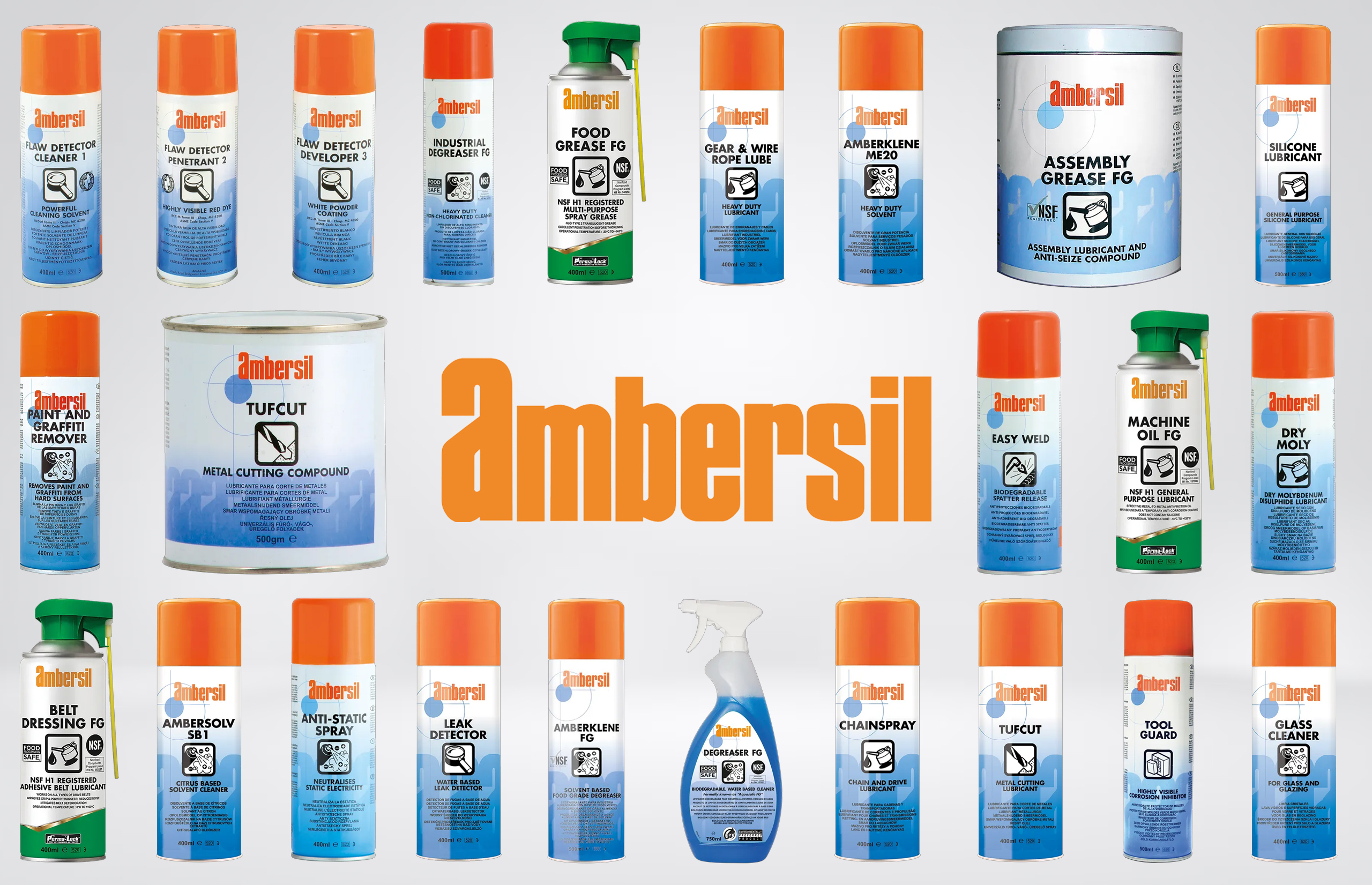
Ambersil maintenance products are widely used in preventative maintenance programmes because they help address common reliability issues. When used correctly, these products support regular servicing routines that protect equipment life and reduce unplanned downtime.
Why Preventative Maintenance Matters in Industrial Systems
Industrial equipment rarely fails without warning. In most cases, the early signs of failure appear long before a breakdown occurs. Preventative maintenance focuses on identifying and addressing these warning signs early so that machinery can continue operating safely and efficiently.
In hydraulic environments, plant machinery, and industrial installations, preventative maintenance is often the difference between routine servicing and emergency repair work.
The Cost of Reactive Maintenance
Reactive maintenance happens when equipment is only repaired after it fails. This approach might seem acceptable in low-risk environments, but in industrial settings it quickly becomes expensive.
A seized bearing, corroded hydraulic fitting, or cracked mounting bracket can stop machinery immediately. For operations such as manufacturing lines or construction equipment, downtime can quickly escalate into significant financial losses. Emergency repairs also often require rushed sourcing of replacement parts and specialist labour.
Maintenance teams who rely purely on reactive repair often find themselves constantly responding to breakdowns rather than preventing them.
The Reliability Benefits of Planned Maintenance
Planned maintenance routines allow engineers to inspect equipment regularly and apply protective treatments before damage occurs. This might include lubrication of moving components, corrosion protection for exposed parts, and inspection of structural elements that experience repeated stress.
These simple steps help extend component life and allow maintenance teams to schedule repairs at convenient times rather than responding to unexpected failures.
To support these processes effectively, engineers rely on specialist maintenance products designed for the specific conditions found in industrial environments.
Understanding the Role of Ambersil Products in Maintenance Programmes
Ambersil products are designed specifically for engineering and maintenance applications where reliability matters.
These products typically support three key areas of preventative maintenance: lubrication, corrosion protection, and inspection.
Heavy-Duty Lubrication for Moving Components
Lubrication is one of the most important aspects of preventative maintenance. Moving components such as gears, chains, and wire ropes operate under constant friction. Without proper lubrication, wear increases rapidly and parts eventually seize or fail.
The Heavy Duty Lubricant – Gear & Wire Rope is designed specifically for high-load applications where standard oils or sprays may not provide adequate protection. These lubricants penetrate into the moving components, forming a protective film that reduces friction and protects against moisture.
This type of lubricant is commonly used on lifting equipment, plant machinery, cable systems, and mechanical assemblies where components operate continuously under load.
By maintaining lubrication across these systems, maintenance teams significantly reduce the risk of premature wear and mechanical failure.
Corrosion Protection for Exposed Metal Components
Corrosion is one of the most common causes of equipment deterioration, particularly in outdoor or high-moisture environments. Even small areas of rust can spread over time and weaken structural components or fittings.
Preventative corrosion protection is therefore a critical part of maintenance routines.
A Waxy Anti-Corrosion Treatment Corrosion Inhibitor provides a protective coating that shields metal surfaces from moisture and environmental exposure. This treatment forms a waxy barrier that protects exposed components during operation or storage.
Maintenance engineers often apply corrosion inhibitors to spare parts, metal frameworks, hydraulic fittings, and machinery that operates outdoors. In sectors such as agriculture, construction, and utilities, corrosion protection is essential because equipment frequently operates in wet, muddy, or chemically exposed environments.
Applying protective coatings during servicing helps prevent corrosion before it begins, extending the lifespan of valuable components.
Inspection Systems for Detecting Hidden Defects
Not all maintenance problems are visible during a standard inspection. Structural components can develop hairline cracks or defects that are impossible to detect with the naked eye.
This is where non-destructive testing systems become essential.
Engineers widely use the Dye Penetrant Non-Destructive Testing System to detect surface cracks and faults in metal components. The process involves applying a penetrant fluid that seeps into small defects. Once the developer is applied, the penetrant highlights these faults, making them visible for inspection.
This method is commonly used on welded joints, brackets, lifting equipment, and safety-critical components. It allows engineers to identify structural problems before they become serious enough to cause component failure.
When combined with lubrication and corrosion protection, inspection systems play an important role in comprehensive preventative maintenance programmes.
Where Ambersil Maintenance Products Are Commonly Used
Preventative maintenance products are used across many industries where machinery reliability directly affects operations. Ambersil products are commonly found in maintenance workshops, industrial plants, and field service environments.
Manufacturing and Production Facilities
In manufacturing environments, machinery often operates continuously for long periods. Conveyors, motors, gear assemblies, and structural frames all experience constant movement and mechanical stress.
Preventative maintenance in these environments focuses on lubrication and inspection. Heavy-duty lubricants keep moving components operating smoothly, while inspection systems help engineers monitor structural integrity.
Without these processes, small mechanical issues can escalate into equipment failure that halts production lines.
Construction and Plant Equipment
Plant machinery used in construction environments operates under extreme conditions. Dust, vibration, moisture, and heavy loads all contribute to accelerated component wear.
Maintenance teams regularly apply lubricants and corrosion protection treatments to keep equipment operating reliably. Components such as cables, gears, and exposed metal surfaces benefit from protective coatings that prevent wear and environmental damage.
Inspection systems are also commonly used in plant maintenance to check load-bearing components and welded joints for signs of fatigue.
Agricultural Machinery and Outdoor Equipment
Agricultural machinery faces a different but equally challenging environment. Equipment frequently operates in muddy fields, wet conditions, and areas exposed to fertilisers or chemicals.
Corrosion protection products help prevent metal deterioration, while lubricants keep moving parts functioning despite contamination from dirt and debris.
Preventative maintenance in agriculture often focuses on protecting machinery during storage periods as well as during active operation.
Common Maintenance Mistakes That Lead to Equipment Failure
Even when preventative maintenance programmes exist, certain mistakes can still lead to equipment reliability problems. These issues usually occur when maintenance processes are incomplete or when unsuitable products are used.
Relying on General-Purpose Sprays
One of the most common mistakes in maintenance environments is using general-purpose sprays for specialised applications.
High-load systems such as gears and wire ropes require lubricants designed for those conditions. Using unsuitable products can result in poor lubrication performance, allowing friction and wear to develop quickly.
Choosing purpose-designed lubricants helps ensure that moving components remain protected under real operating conditions.
Ignoring Early Signs of Corrosion
Corrosion rarely causes immediate equipment failure, which is why it is sometimes overlooked during routine inspections. However, once corrosion begins, it gradually weakens metal components.
Maintenance teams that apply corrosion inhibitors early can prevent rust from spreading and protect equipment over the long term.
Ignoring corrosion until it becomes visible damage often results in unnecessary component replacement.
Skipping Detailed Inspections
Visual inspections alone are not always sufficient to detect developing faults. Structural cracks, fatigue damage, and small defects may remain hidden until a component fails.
Using inspection tools such as dye penetrant systems allows engineers to detect these issues early and schedule repairs before failure occurs.
Strengthen Your Preventative Maintenance Strategy
Preventative maintenance is about protecting equipment before problems occur. Lubrication, corrosion protection, and inspection all play a role in ensuring machinery continues operating reliably.
If you are reviewing your maintenance procedures, Hoses Direct offer an extensive range of Ambersil products.
These products support preventative maintenance across hydraulic systems, plant equipment, and industrial machinery.
If you need help selecting the right maintenance products for your application, speak to the expert team who can provide practical guidance based on your equipment and operating environment.
Email: [email protected]
Phone: 0333 6000 501