

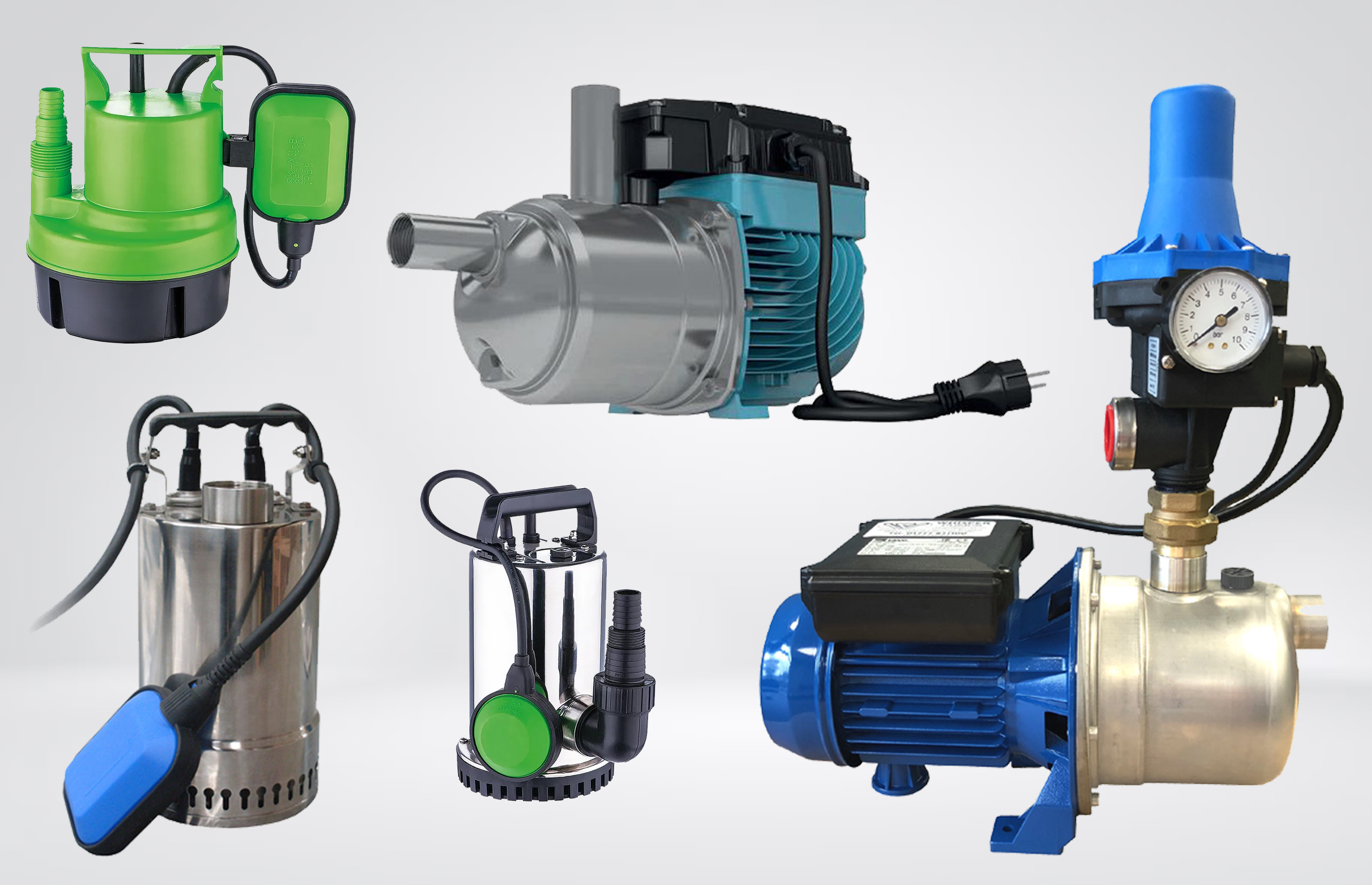
Submersible pumps are often treated as simple, low-risk components. Drop them in, power them up, and expect them to run. In practice, they are one of the most commonly mis-specified items we see, particularly when they are pushed into harsher working conditions than they were designed for.
Failures rarely come without warning. Burnt-out motors, reduced flow, seal failure and complete pump loss are usually the result of poor matching between the pump and the real operating environment.
This guide is written to help engineers, site managers, maintenance teams and buyers avoid those mistakes by understanding where submersible pumps succeed, where they fail, and how to select the right unit for the job.
Understanding Submersible Pump Operating Conditions
Before looking at individual pump models, it is important to understand why operating conditions matter so much. A submersible pump is defined by what it can tolerate over time, not what it can do briefly. Water type, run time, head height and discharge restrictions all play a role in determining whether a pump will operate reliably or fail prematurely.
Many problems begin when pumps are selected based on power rating or headline flow figures alone, without considering how those figures change once the pump is installed in a real system.
Clean Water vs Contaminated Water Applications
Submersible pumps designed for clean water are intolerant of grit, silt and suspended solids. Even small amounts of abrasive material accelerate wear on seals and impellers, leading to leakage and eventual motor failure.
Water butt pumps fall squarely into the clean-water category. They perform well in rainwater harvesting, tank emptying and light drainage, but they are not designed for muddy excavations, construction runoff or wastewater. Using them in those environments almost always results in shortened service life.
Duty Cycle, Run Time and Thermal Load
Most compact submersible pumps are designed for intermittent operation. They rely on surrounding water for cooling, and that cooling only works when the pump is moving fluid as intended.
Problems arise when pumps are left running continuously or operated against restricted discharge lines. Heat builds up inside the motor housing, insulation degrades and thermal protection, if present, is triggered repeatedly until permanent damage occurs.
Head Height, Flow Rate and Back Pressure
Quoted flow rates are usually measured at zero head. Once the pump is required to lift water vertically, push it through long hose runs or overcome restrictive fittings, actual flow drops significantly.
Back pressure caused by undersized hoses or tight bends places additional load on the motor. In many cases, a pump that appears underpowered is actually working against a poorly designed discharge setup.
How to Specify a Submersible Pump Correctly
Correct specification is about reducing risk rather than maximising performance figures. A conservatively specified pump will always outlast one that is pushed to its limits.
Define the Fluid, Not Just the Task
Understanding whether the pump will handle clean water, lightly contaminated water or other fluids is the first step. Temperature, debris content and chemical exposure all influence pump selection.
Calculate Realistic Head Height and Flow Needs
Vertical lift, hose length and discharge restrictions must be accounted for when assessing real-world performance. Ignoring these factors leads to underperforming systems and overstressed pumps.
Match Duty Cycle to Reality
If a pump will be required to run frequently or for extended periods, that must be reflected in the specification. Intermittent-use pumps are not suitable for continuous operation, regardless of power rating.
Submersible Pumps Available from Hoses Direct
Correct specification starts with understanding what each pump is designed to do. The submersible pump range available from Hoses Direct covers light domestic use through to more demanding industrial applications.
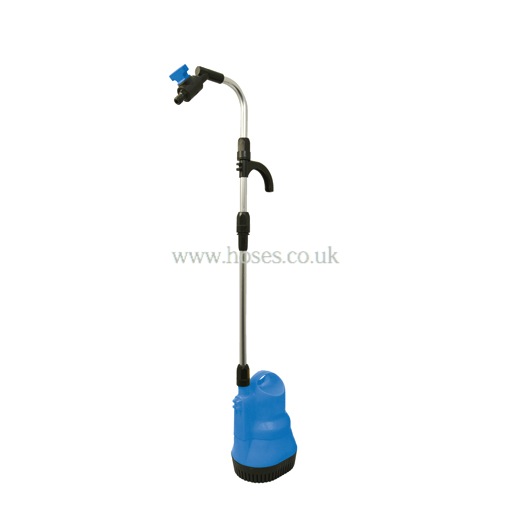
550W Submersible Water Butt Pump – 9,600 Litre/Hour
This high-flow clean-water pump is designed for efficient emptying of water butts, tanks and shallow flooded areas. It provides strong performance for intermittent drainage tasks where large volumes of clean water need to be moved quickly.
It is not intended for debris-laden water or prolonged continuous operation.
400W Submersible Water Butt Pump – 9,000 Litre/Hour
A slightly lower-powered alternative, this pump is suitable for rainwater harvesting and general clean-water transfer. Its compact size makes it easy to deploy, but it shares the same clean-water limitations as other water butt pumps.
500W Submersible Pump – 1,200 Litre/Hour
This pump is designed for lower-flow, more controlled transfer applications. It is well suited to small tanks and situations where steady output is preferred over high-volume drainage.
It is not designed for rapid dewatering or high head heights.
350W Motor Submersible Water Butt Pump
An entry-level submersible pump intended for occasional domestic use. It performs reliably within its design limits but should not be used for extended run times or demanding site conditions.
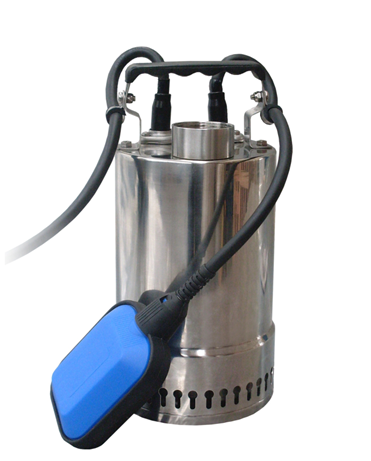
EFaflu SDO Submersible Pump
The EFaflu SDO is a more robust, industrial-grade submersible pump designed for harsher environments. It is suitable for site drainage, plant use and applications where higher durability and reliability are required.
This type of pump is a better choice when operating conditions are unpredictable or continuous operation is expected.
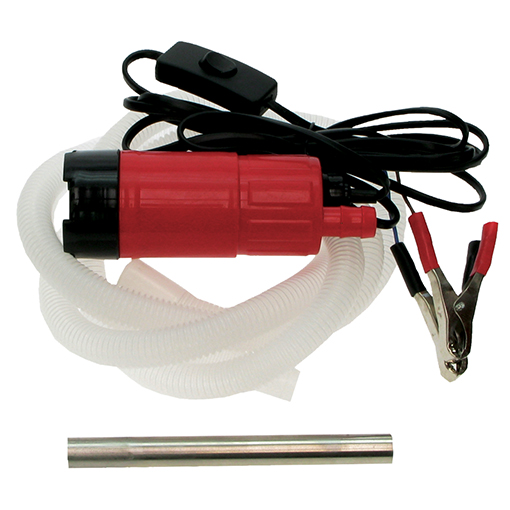
12V Submersible Transfer Pump
This low-voltage pump is designed for mobile and remote applications where mains power is unavailable. It is suitable for controlled fluid transfer over short durations and modest flow requirements.
Its limitations should be clearly understood, as it is not designed for high-volume or long-duration pumping.
Hoses Direct offers a range of submersible pumps suitable for clean-water drainage, controlled fluid transfer and more demanding site conditions.
If you are unsure which submersible pump is suitable for your application, speak to our technical team today to avoid costly mistakes later.
Call: 0333 6000 501
Email: [email protected]
Correct specification protects equipment, prevents failure and keeps systems running when conditions become demanding.