


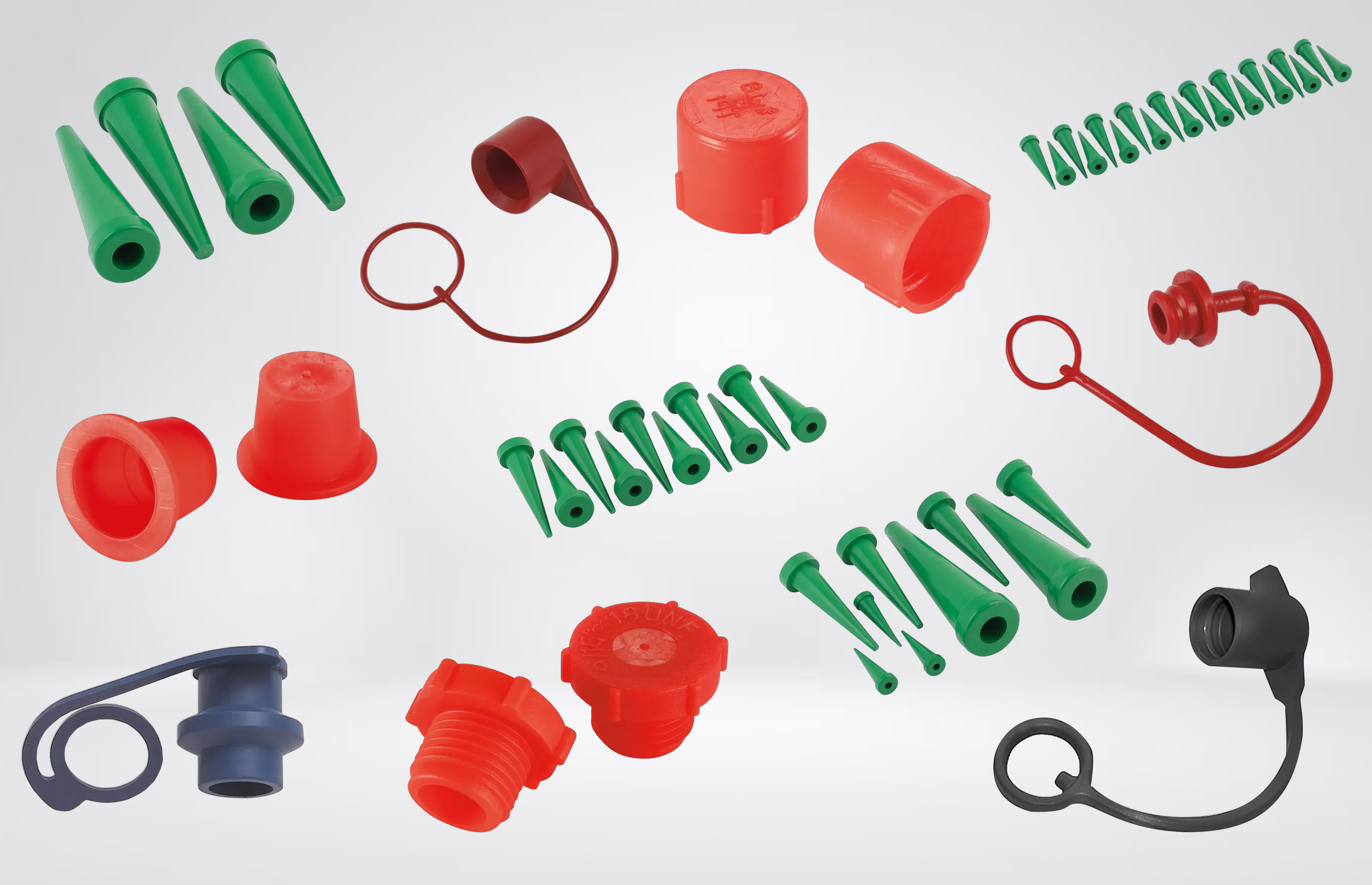
Oil spills and contamination in hydraulic systems are rarely caused by catastrophic failures. In most cases, they happen during routine work: hose changes, component swaps, transport between jobs, or temporary disconnections during maintenance. An open hose end, even for a short time, is enough to allow dirt ingress or fluid loss that leads to premature component wear, environmental clean-up, and unplanned downtime.
Service plugs, spill prevention plugs, and safety caps are simple components, but in real-world maintenance environments they play a critical role. Used correctly, they help protect systems, keep sites clean, and prevent avoidable failures that cost far more than the parts themselves.
Why Oil Spills and Contamination Still Happen in Hydraulic Systems
Despite modern equipment and better awareness, spills and contamination remain common across agriculture, construction, plant and industrial environments. The root cause is rarely poor design; it is usually what happens when systems are opened.
Open Hose Ends During Maintenance and Repairs
During hose replacement or fault finding, hoses and ports are often left exposed while engineers source parts or reposition equipment. In that time, airborne dust, moisture, or debris can enter the system. Even small particles can score valves, damage seals, and shorten the life of pumps and actuators once the system is re-pressurised.
Transport and Storage Risks Between Jobs
Hoses, couplings, and assemblies are frequently transported on service vehicles or stored on site before installation. Without protection, exposed ends pick up dirt, metal swarf, or moisture. When those components are later installed, contamination is introduced directly into the hydraulic circuit.
Environmental and Compliance Pressures
Many sites now operate zero-tolerance policies for oil spills. A small leak during disconnection can trigger clean-up procedures, waste disposal costs, and safety reporting. For contractors, this can damage relationships with clients and lead to delays or penalties.
What Are Service Plugs, Spill Prevention Plugs and Safety Caps?
Although often grouped together, these products serve different but complementary purposes in hydraulic maintenance.
Service Plugs for Temporary Sealing
Service plugs are designed to temporarily seal hose ends, ports, or fittings when systems are disconnected. They prevent oil from leaking out and stop contaminants entering while work is carried out. They are commonly used during hose replacement, component removal, or system isolation.
Spill Prevention Plugs for Fluid Retention
Spill prevention plugs are specifically designed to retain fluid when hoses or couplings are disconnected. They are particularly useful in mobile maintenance and breakdown situations where oil loss must be controlled quickly and cleanly.
Safety Caps and Dust Protection Caps
Safety caps and dust protection caps are used to protect exposed couplings and fittings from dirt, moisture, and impact damage. They are essential during transport, storage, and when equipment is temporarily out of service.
Choosing the Right Plug or Cap for the Application
Correct selection matters. The wrong plug can leak, fall out, or provide a false sense of protection.
Matching Sizes, Thread Types and Coupling Standards
Plugs and caps must match hose sizes, thread types, and coupling standards accurately. Poor fitment leads to ineffective sealing and increases the risk of spills or contamination.
Material Considerations for Oil, Pressure and Temperature
Most service plugs and caps are manufactured from durable plastics suitable for hydraulic oils. However, application conditions such as temperature, handling frequency, and exposure to chemicals should be considered when selecting products.
Reusable Packs vs Single-Use Protection
Reusable plugs are ideal for service engineers and workshops, while single-use caps may suit OEM or assembly-line environments. Choosing the right format improves stock control and long-term cost efficiency.
Common Mistakes That Lead to Spills and Contamination
Many contamination issues stem from habits rather than a lack of knowledge.
Leaving Hose Ends Open “Just for a Moment”
Even brief exposure is enough for contaminants to enter a system. Once introduced, they circulate throughout the circuit and cause damage over time.
Improvised Solutions Instead of Proper Plugs
Rags, tape, or makeshift covers do not provide a reliable seal. They can shed fibres, fall out, or allow oil to escape, creating more problems than they solve.
Not Carrying the Right Protection on Site
Turning up without the correct plugs and caps often leads to rushed decisions. Having the right protection available removes the temptation to cut corners.
Take Control of Spills and Contamination Before They Happen
Oil spills and system contamination are rarely unavoidable. They are usually the result of exposed hose ends, unprotected couplings, or rushed maintenance decisions. Simple preventative components make a significant difference to reliability, cleanliness, and compliance.
Service Plugs, Spill Prevention Plugs and Safety Caps
Using the correct service plugs, spill prevention plugs, and safety caps is a practical step towards protecting hydraulic systems during maintenance, transport, and storage. These products are designed to reduce fluid loss, prevent contamination, and support cleaner, more professional working practices.
If you are unsure which plugs or caps are suitable for your application, or you want to standardise spill prevention across your operation, speak to the expert team at Hoses Direct today.
Phone: 0333 6000 501
Email: [email protected]