


Plumbing connections are one of the most common failure points in any system. When joints fail, it leads to leaks, pressure loss, contamination risks, and unplanned downtime, all of which cost time and money.
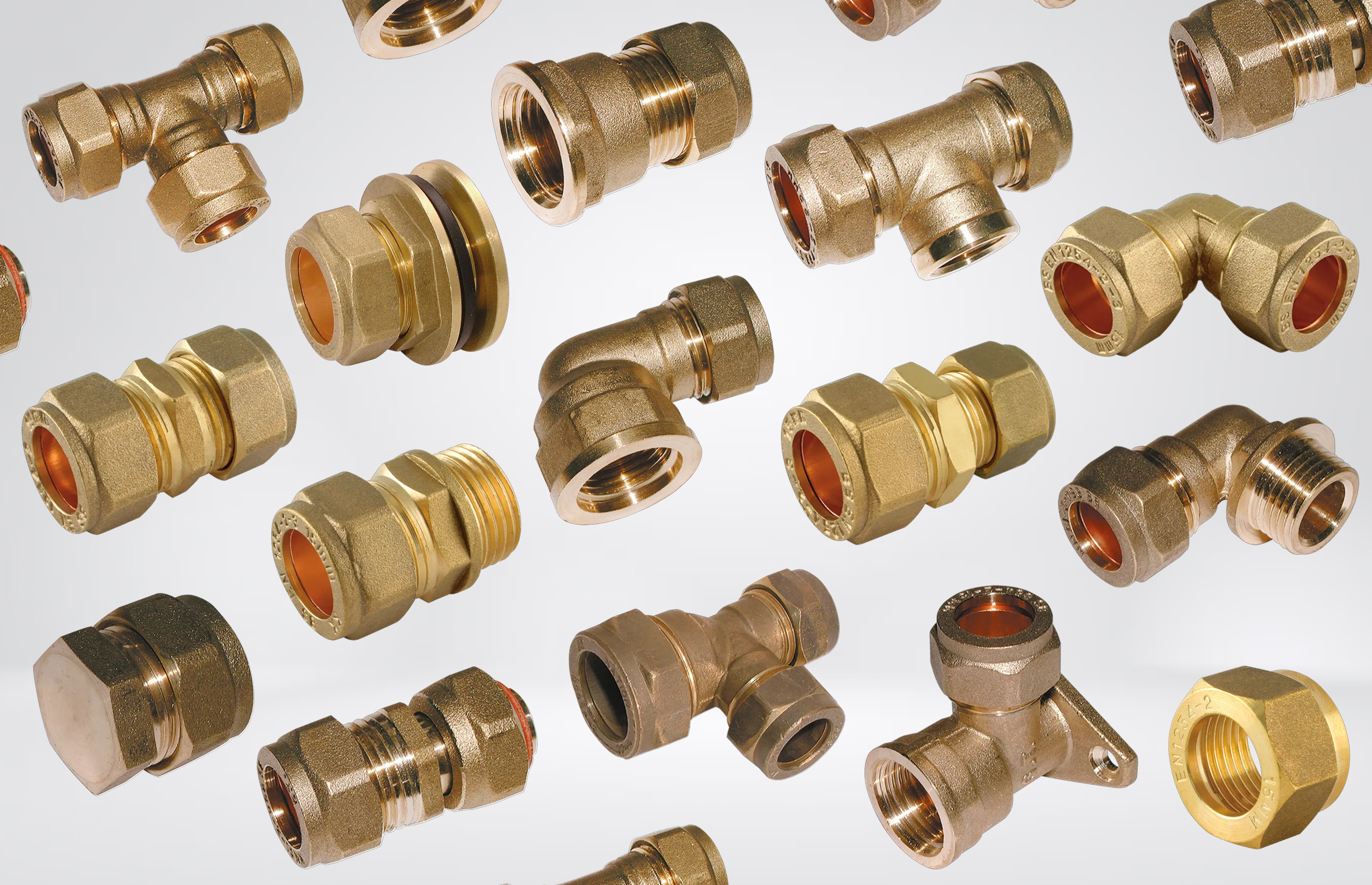
Brass compression fittings are widely used across UK industries because they offer a reliable, flame-free method of connecting pipework. When specified and installed correctly, they provide consistent sealing performance and allow for straightforward maintenance.
The problem is that many issues seen in the field are not caused by the fittings themselves, but by incorrect sizing, poor installation, or using the wrong components for the system.
Understanding Brass Compression Fittings
Compression fittings are designed to create a secure, mechanical seal without heat. This makes them ideal for installations where hot works are not practical or permitted, and where systems may need to be modified or maintained regularly.
In industrial and commercial environments, these fittings are commonly used across water systems, light oil transfer, and low-pressure air lines.
A compression fitting uses a nut and olive to compress onto the pipe as it is tightened. This creates both a mechanical grip and a pressure-tight seal.
In practice, the reliability of that seal comes down to installation. Too loose, and the joint leaks under pressure. Too tight, and the olive deforms the pipe, creating a seal that may initially hold but fails over time.
This is why inconsistent installation often leads to recurring maintenance issues.
Why Brass Remains the Standard Choice
Brass offers a strong balance of corrosion resistance, durability, and ease of machining. It performs well in most UK plumbing and industrial environments and is more forgiving during installation compared to harder materials.
However, it is not a universal solution. In aggressive water conditions or where chemical exposure is present, incorrect material choice can still lead to premature failure.
Why Getting the Specification Right Matters
Compression fittings are often treated as standard items, but incorrect specification is one of the main reasons systems develop leaks or require repeated intervention.
Matching the fitting to the application is critical if you want consistent performance.
Pressure, Temperature, and Media Considerations
Every system operates under different conditions. Temperature changes cause expansion and contraction, pressure cycles create stress on joints, and certain media can affect sealing performance.
If these factors are not considered during selection, fittings that appear suitable on paper may fail in service.
Metric vs Imperial Compatibility
Metric brass compression fittings are designed for metric pipe sizes. Mixing them with imperial pipework is a common issue, particularly during urgent repairs.
While they may appear to fit, the sealing surface will not align correctly. This results in slow leaks that often go unnoticed until pressure drops or visible failures occur.
Types of Metric Brass Compression Fittings and Where They Are Used
Our metric brass plumbing compression fittings range covers a variety of fitting types designed to suit different system layouts.
Choosing the correct fitting is not just about making it fit, it directly impacts reliability and ease of installation.
Straight Couplings for Repairs and Extensions
Straight couplings are used to join two lengths of pipe. They are commonly used during repairs or when extending existing systems.
In real-world maintenance, these fittings are often installed quickly. If pipe ends are not cut cleanly or properly prepared, the seal will not form correctly, leading to repeated leaks.
Elbows for Directional Changes
Elbows allow pipework to change direction, typically at 90° or 45°.
They are essential in tight installations but are also common stress points. Poor alignment or tension on the pipe can cause gradual seal failure, especially in systems subject to vibration.
Tees for Branching Systems
Tees enable flow to be split from a main line into multiple directions. These are widely used in plant systems feeding multiple machines or outlets.
Uneven load or unsupported pipework can place stress on the fitting, increasing the risk of long-term failure.
Take control of your plumbing connections before they fail
If compression fittings are part of your system, small issues at the joint level can quickly lead to larger problems. Leaks, pressure drops, and repeat maintenance all stem from poor specification or installation.
Review your current fittings, particularly in areas where failures occur. Address sizing issues, replace reused components, and ensure correct installation practices are followed.
Product solutions for reliable connections
Explore the full range of metric brass compression fittings designed for dependable, repeatable performance:
- Couplings, elbows, and tees for various system layouts
- Metric fittings suited to UK pipe standards
- Components designed for quick installation and maintenance
Browse the full range here: Brass Compression Fittings Range
If you are unsure which fittings are right for your application, speak to the expert team for practical guidance.
Email: [email protected]
Phone: 0333 6000 501