


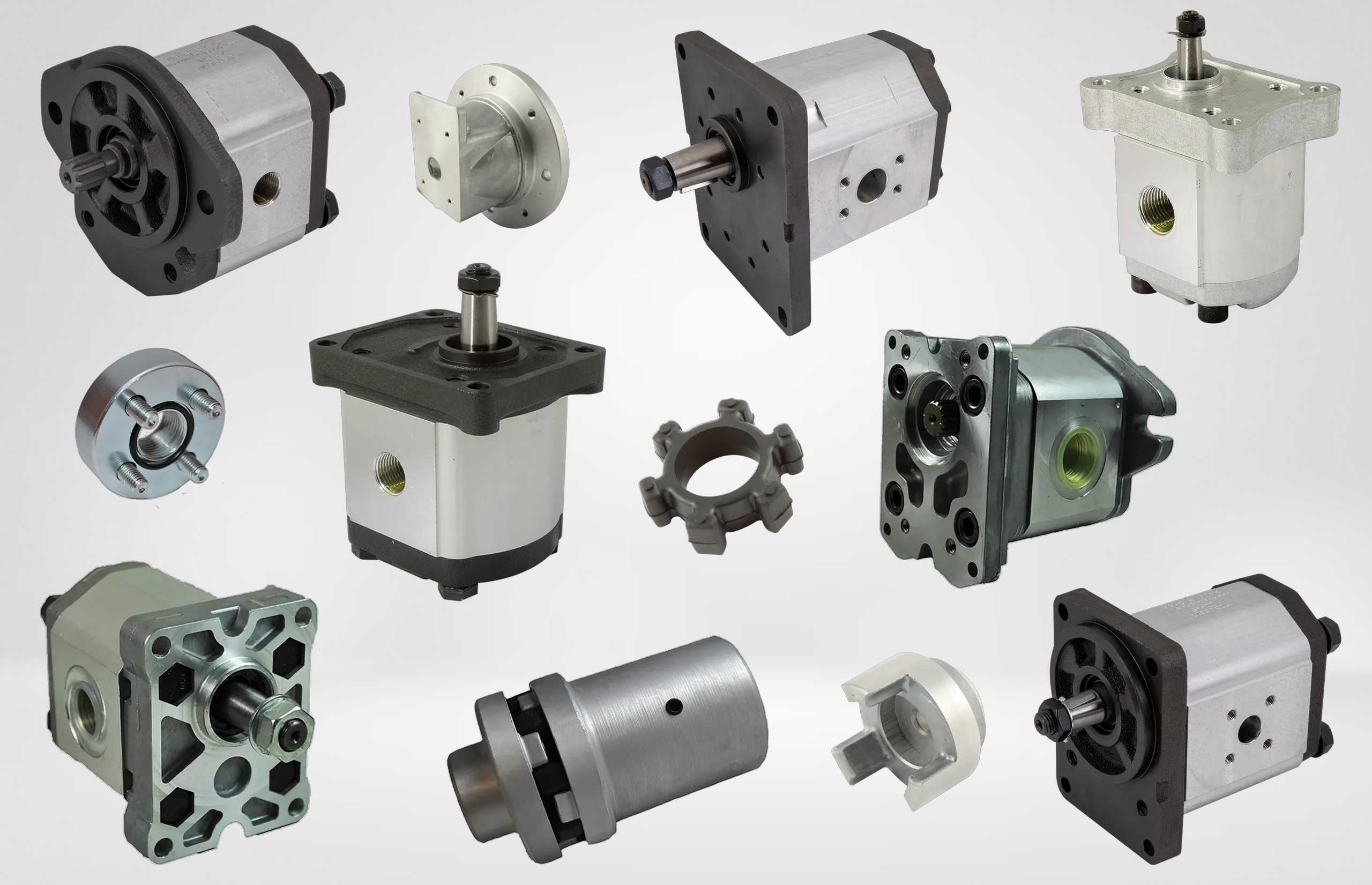
Hydraulic gear pumps play a crucial role in keeping modern machinery efficient, reliable, and productive. Whether powering lifting equipment, driving hydraulic motors, or supporting complex control systems, these pumps play a vital role in industrial hydraulics.
Industries such as construction, agriculture, transport, waste management, and manufacturing depend on consistent hydraulic performance to maintain uptime and operational safety.
Choosing the right pump is essential, and understanding how these units work is the first step toward selecting the most appropriate solution.
Understanding Hydraulic Gear Pumps in Modern Industry
Hydraulic gear pumps remain one of the most widely used pump types because of their robust design, predictable performance, and suitability for demanding environments. Engineers and maintenance teams rely on them for tasks where consistent flow, straightforward installation, and dependable operation are essential.
How Hydraulic Gear Pumps Work
Hydraulic gear pumps operate by using two meshing gears to create a steady flow of hydraulic fluid. As the gears rotate, fluid is carried around the outside of the gear teeth and pushed toward the outlet port, generating flow and pressure for the hydraulic system.
Types of Hydraulic Gear Pumps
Different gear pump designs suit different operational needs. External gear pumps offer simplicity and durability, internal gear pumps provide smoother operation, and bi-rotational pumps support applications requiring reversible flow.
Where Hydraulic Gear Pumps Are Used
Gear pumps are found across a wide range of equipment, from agricultural tractors and compact construction machinery to waste collection vehicles, presses, power packs, and material handling systems. Their versatility makes them a preferred choice for many OEM and aftermarket applications.
Selecting the Right Hydraulic Gear Pump for Your Application
Choosing the most suitable hydraulic gear pump involves more than matching flow and pressure figures. Every application has its own operating demands, from duty cycle and environmental conditions to physical space limitations and fluid types.
A considered approach ensures the pump performs as intended, supports system longevity, and avoids unnecessary downtime.
Understanding the key selection factors helps engineers and maintenance teams specify a pump that aligns with both performance requirements and practical constraints.
Understanding Flow and Pressure Requirements
The correct displacement, system pressure, and expected RPM must be calculated to confirm the pump can deliver the required output without being undersized or overloaded.
Considering Environmental Conditions
Exposure to temperature fluctuations, contamination risks, and high-demand operating environments influences pump selection and long-term reliability.
Matching Pump Size to Equipment Constraints
Available space, mounting configuration, and system geometry determine the physical size and style of pump suitable for the equipment.
Ensuring Compatibility with Hydraulic Oils
Hydraulic oils vary in formulation and viscosity, so confirming compatibility with mineral, synthetic, or biodegradable fluids ensures optimal pump performance.
Common Problems with Hydraulic Gear Pumps and How to Avoid Them
Even well-built hydraulic gear pumps can experience performance issues if the system is not correctly specified, installed, or maintained. In industrial settings where machinery is exposed to heavy use and demanding conditions, early warning signs are often overlooked.
Understanding the typical problems that arise helps operators prevent downtime, protect components, and maintain consistent output across their hydraulic systems. Addressing these issues at the source is far more effective than reacting to failures once they occur.
Cavitation and Aeration
Insufficient inlet pressure, restricted suction lines, or air entering the system can cause cavitation and aeration, leading to noise, vibration, and reduced pump efficiency.
Excessive Wear or Overheating
Contaminated hydraulic oil, incorrect viscosity, or sustained operation at high pressure accelerates component wear and increases operating temperatures.
Noise and Vibration Issues
Misalignment, mechanical imbalance, or obstructions within the inlet side of the system can create excessive noise and vibration, signalling potential damage.
Premature Seal Failure
Incorrect fluid type, elevated system temperatures, or pressure spikes stress the pump’s seals, resulting in leakage and reduced operating performance.
Why Buy Hydraulic Gear Pumps and Components from Hoses Direct
Sourcing hydraulic gear pumps from a reliable supplier is essential when machinery uptime and operational efficiency are at stake. Engineers, maintenance teams, and procurement departments need fast access to trusted products, accurate technical guidance, and consistent availability.
Hoses Direct supports these requirements by offering a comprehensive range of hydraulic gear pumps and components backed by strong technical knowledge and dependable service. This ensures customers can specify the right equipment with confidence and keep their machinery performing at its best.
Wide Range of Trusted Industrial Pump Brands
Offering products from multiple respected manufacturers allows customers to compare specifications and select the most appropriate pump for their application.
Technical Expertise and Product Cross-Referencing
Extensive product knowledge enables accurate cross-referencing against OEM part numbers, helping engineers identify compatible replacements quickly and confidently.
Fast UK Delivery for Minimising Downtime
A responsive delivery service ensures replacement pumps and supporting components reach customers quickly, helping them return equipment to service with minimal disruption.
Supporting Components Available Online
Associated hydraulic products including hoses, adaptors, and fittings can be sourced alongside the pump, simplifying procurement and ensuring complete system compatibility.
Conclusion
Hydraulic gear pumps remain a dependable choice for industries that demand consistent performance, long service life, and predictable hydraulic output. Choosing the right pump, understanding its operating characteristics, and ensuring compatibility with the wider system all contribute to improved reliability and reduced downtime.
High-quality units not only support day-to-day operations but also help safeguard equipment from unnecessary wear and costly failures. For engineers, maintenance teams, and procurement departments looking to specify or replace a hydraulic gear pump, expert guidance and a reliable supply chain make all the difference.
Hoses Direct offers access to trusted products, technical insight, and fast UK delivery to help keep industrial machinery operating at its best. Get in touch today with the expert team to discuss your requirements.