


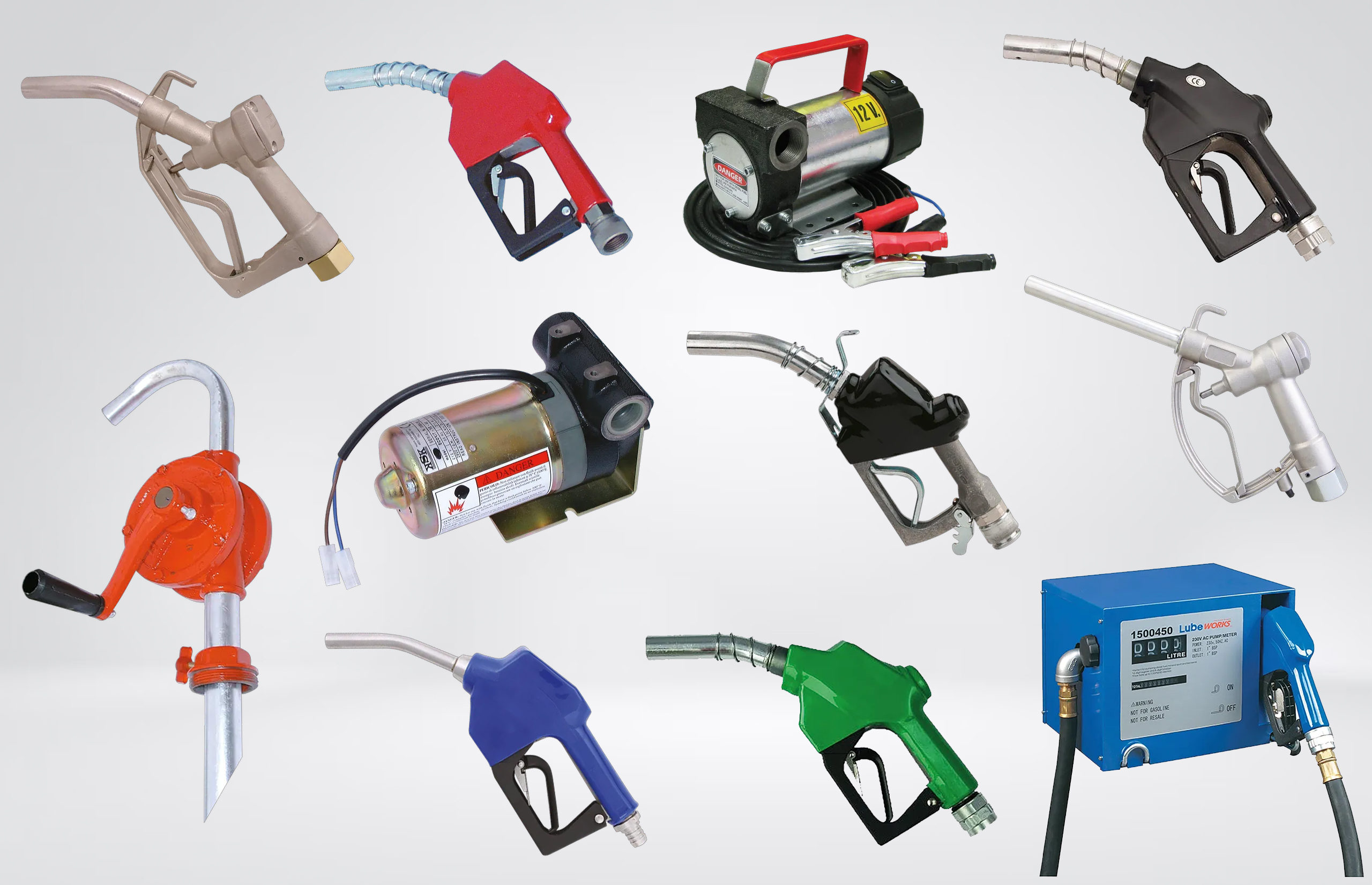
Fuel transfer pumps play a critical role in keeping industrial operations running smoothly. Whether refuelling plant machinery, supporting fleet vehicles, or transferring fuel from bulk storage tanks, the right pump improves efficiency, reduces downtime, and helps maintain safe working practices.
Why Fuel Transfer Pumps Are Critical in Industrial Operations
In industrial environments, fuel handling is not an occasional task. It is part of daily operations, often carried out under time pressure and in challenging conditions. A well-specified fuel pump transfer system supports productivity while reducing risk.
Supporting Day-to-Day Operations Across Multiple Industries
Fuel transfer pumps are widely used to refuel tractors, excavators, generators, forklifts, HGVs, and standby equipment. In agriculture and construction, they are often relied upon in remote locations where mains services are limited. In transport and manufacturing, they support fleet depots and on-site fuel storage, helping operations stay self-sufficient.
Reducing Downtime and Improving Efficiency
Slow or unreliable refuelling quickly becomes a bottleneck. An appropriate pump delivers consistent flow rates, minimises manual handling, and allows operators to refuel equipment efficiently without interrupting workflows or delaying production schedules.
Safety and Environmental Responsibility
Fuel spills, uncontrolled flow, and poor connections present clear safety and environmental risks. Purpose-designed fuel transfer pumps help control fuel movement, reduce spill potential, and support safer handling practices across industrial sites.
Understanding the Different Types of Fuel Transfer Pumps
Fuel transfer pumps are not one-size-fits-all. The correct choice depends on how the pump will be used, the type of fuel being transferred, and the operating environment.
Electric Fuel Transfer Pumps
Electric pumps are the most common choice for industrial applications. Mains-powered models are typically used in fixed installations such as fuel depots, while 12V and 24V pumps are popular for mobile bowsers, service vehicles, and agricultural machinery where portability is essential.
Diesel vs Petrol Transfer Pumps
Pumps must be matched to the fuel type being handled. Diesel pumps are designed with materials and seals suitable for diesel fuel, while petrol pumps often require additional safety considerations. Using the wrong pump can lead to seal degradation, leakage, and safety issues.
Portable vs Fixed Fuel Transfer Systems
Portable pumps are ideal for site-based refuelling where flexibility is required. Fixed systems are better suited to bulk tanks, offering consistent performance, permanent pipework, and integration with fuel management equipment.
Manual and Hand Pumps
Manual pumps still have a place in low-volume or emergency applications. However, they are rarely suitable for regular industrial use where efficiency and consistency are required.
Key Technical Factors to Consider Before Buying
Technical specification has a direct impact on pump performance, reliability, and service life. Selecting the right configuration from the outset avoids costly replacements and operational frustration.
Flow Rate and Duty Cycle Requirements
Flow rate determines how quickly fuel can be transferred. Higher litres-per-minute ratings suit busy sites, while lower flow rates may be acceptable for occasional use. Duty cycle is equally important, particularly where pumps are expected to run continuously.
Voltage and Power Supply Options
12V and 24V pumps are common for mobile equipment and vehicles, while 230V pumps are typically used in fixed locations. The available power supply on site should always be confirmed before selecting a pump.
Hose, Nozzle, and Fitting Compatibility
Hose diameter, hose length, and nozzle type all affect performance and usability. Automatic shut-off nozzles are often preferred in industrial settings to reduce spill risk. Compatibility with BSP fittings is also essential for straightforward installation.
Material Construction and Durability
Industrial fuel pumps must withstand regular use, exposure to weather, and contact with fuel over long periods. Aluminium, cast iron, and stainless steel housings each offer different durability benefits depending on the environment.
Compliance, Standards, and Safety Considerations
Fuel handling equipment must meet site safety expectations and align with UK best practice. Compliance should be considered early, particularly in higher-risk environments.
ATEX and Hazardous Area Considerations
In environments where flammable vapours may be present, ATEX-rated pumps may be required. This is especially relevant in enclosed spaces or where fuel is transferred frequently.
Spill Prevention and Overfill Protection
Automatic shut-off nozzles, secure hose connections, and controlled flow rates all help reduce the risk of spills. These features are particularly important where environmental protection is a priority.
Workplace Safety and Environmental Best Practice
Good fuel handling practices support wider health and safety responsibilities. Using suitable equipment reduces the likelihood of accidents, environmental incidents, and costly clean-up operations.
Why Buy Fuel Transfer Pumps from Hoses Direct
Choosing a fuel transfer pump that suits your application is essential, but sourcing it from a supplier with the right expertise and support is just as important. For industrial and professional users, reliability, correct specification, and product availability all have a direct impact on safety and operational efficiency.
Access to a Comprehensive Range of Fuel Transfer Pumps
Hoses Direct supplies a wide selection of fuel transfer pumps designed for industrial use, including diesel and petrol pumps, electric and engine-driven options, and solutions suited to both portable and fixed installations. This breadth of range makes it easier to select the correct pump for specific fuels, flow rates, and site conditions without compromise.
Technical Advice for Correct Pump Specification
Fuel transfer applications vary significantly, and incorrect specification is a common cause of performance issues. Experienced technical support helps ensure pumps are matched correctly to fuel type, voltage, duty cycle, hose configuration, and usage demands, reducing the risk of downtime or premature failure.
Reliable Stock Availability and Fast UK Dispatch
In industrial environments, delays in sourcing equipment can quickly disrupt operations. Holding stock for fast UK delivery helps minimise lead times, whether replacing a failed pump or specifying equipment for a new installation.
Support Beyond the Initial Purchase
Long-term reliability depends on more than the pump itself. Access to knowledgeable support, compatible hoses, fittings, nozzles, and replacement components helps keep fuel transfer systems operating safely and efficiently over time.
By combining product range, technical expertise, and dependable supply, sourcing fuel transfer pumps from Hoses Direct allows businesses to invest with confidence and maintain safe, efficient fuel handling across their operations.
Conclusion
Fuel transfer pumps are a vital part of industrial fuel handling, directly influencing efficiency, safety, and operational continuity. By considering fuel type, power supply, flow rate, construction, and compliance requirements, businesses can select equipment that performs reliably in demanding conditions.
Making informed choices reduces downtime, supports safer working practices, and delivers better long-term value for industrial operations.
If you need guidance selecting the right fuel pump transfer pump for your application, technical advice can help ensure you choose equipment that fits your site, usage, and compliance requirements. Get in touch with the expert team at Hoses Direct today to discuss your requirements or request product recommendations tailored to your industry.